Sleep in Early Recovery: Why It Breaks Down and How to Rebuild It
Sleep heals more slowly than sobriety does. What is normal in early recovery, why poor sleep drives relapse, and the treatments that actually help a family.
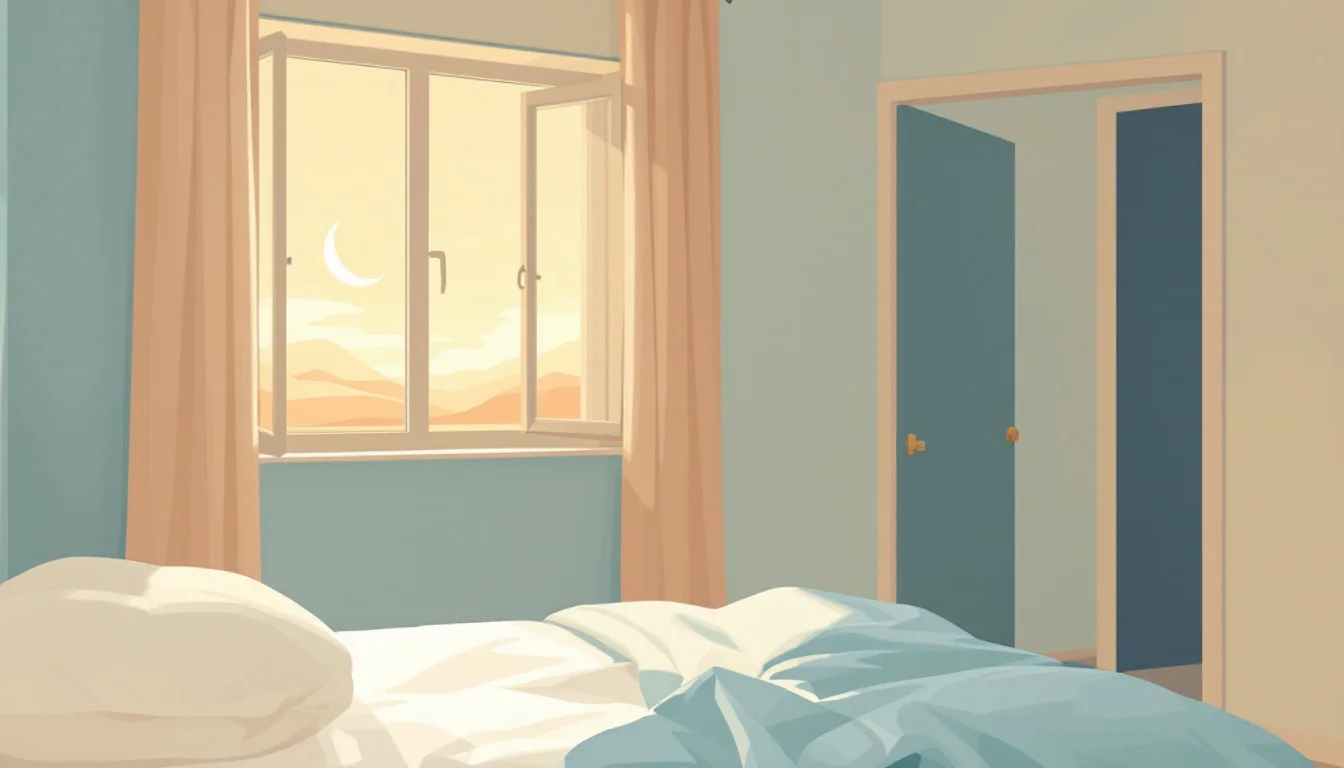
Most families expect the hard part of recovery to be the cravings, the old friends, the empty afternoons. Then the first week at home goes reasonably well, and everyone is blindsided by something quieter: nobody is sleeping.
The person in recovery is up at 2 a.m., then 4 a.m., then asleep until noon and miserable about it. A parent lies awake listening for the front door. A spouse moves to the couch. Within two weeks, the household is exhausted, short-tempered, and quietly convinced that something is going wrong.
Usually nothing is going wrong. Sleep is the part of recovery that heals last, and it heals slowly. This guide explains why that happens, what a realistic timeline looks like, which treatments actually work, why the obvious sleep aid is often the wrong one in recovery, and how families can help without making it worse.
Why sleep breaks down in early recovery
What withdrawal does to sleep
Sleep is not a passive state. The brain actively builds it out of a delicate balance of wake-promoting and sleep-promoting systems, and nearly every addictive substance disrupts that balance. Research reviewed in Pharmacology, Biochemistry and Behavior describes how alcohol, opioids and stimulants suppress rapid-eye-movement sleep, how tolerance to that suppression develops quickly, and how stopping the drug produces a rebound in which REM sleep returns in fragmented bursts, with wake intruding into sleep.
That mismatch — a body that is exhausted and a brain that will not stay asleep — is the signature of early recovery. It is not weakness and it is not a sign the person is using again.
The specific symptoms differ by substance:
- Opioids. Sleep problems are named among the classic withdrawal symptoms, alongside muscle and bone pain, diarrhea and vomiting, cold flashes and uncontrollable leg movements, according to NIDA's Prescription Opioids DrugFacts. Acute withdrawal is short, but disturbed sleep frequently lingers for weeks.
- Alcohol. Alcohol can shorten the time it takes to fall asleep, but the sleep that follows is lighter and more broken. In people with insomnia, the sedating effect wears off with nightly use — a tolerance that developed within about six nights in one laboratory study — and disrupted sleep is a well-documented part of early abstinence.
- Stimulants. The pattern is inverted: sleep is impossible during use, then the person crashes into long, unrefreshing sleep before settling into a rocky, fragmented rhythm.
- Cannabis. Insomnia and irritability are among the most commonly reported withdrawal symptoms in heavy users, which is one reason quitting can feel worse in week two than in week one.
- Benzodiazepines and sleep medicines. Stopping abruptly or tapering too fast causes rebound insomnia, and it is a genuine medical risk rather than just an uncomfortable few nights.
The two-way street: bad sleep drives relapse
This is the part families most need to understand. Sleep problems are not just a side effect of recovery — they are a risk factor for losing it.
The same review makes the case that the relationship runs in both directions. Sleep disturbance influences every phase of the addiction cycle: starting use, continuing it, and returning to it. Insomnia during abstinence produces negative mood and increased reactivity, which in turn drives the craving and impulsivity that lead to a return to use. In one prospective study cited in the review, people with insomnia were 7.2 times more likely to report alcohol or drug dependence three and a half years later than people without insomnia at the outset.
Poor sleep also worsens the things that make using feel like the answer: stress, mood, and pain sensitivity. One sleep-extension study in joint-replacement patients described in the review found that simply going to bed an hour earlier for a week before surgery was associated with roughly 48 percent less postoperative opioid use. Sleep is not a comfort measure. It is part of the treatment.
Why "just wait it out" is not a plan
Waiting is part of the answer — some sleep disruption genuinely does resolve on its own — but waiting alone is a gamble that many people lose in weeks three and four, exactly when the novelty of sobriety has worn off and the exhaustion has set in.
The practical goal is not perfect sleep. It is sleep good enough that the person is not chronically sleep-deprived, irrational about it, and looking for something that will make it stop.
What the first year of sleep actually looks like
Every person is different, and medication, mental health conditions and home circumstances all matter. But families are usually reassured by a rough shape for what to expect.
Days 1–7 (acute withdrawal). Sleep is chaotic and shallow, with night sweats, vivid dreams and long stretches awake. Very little sleep hygiene advice helps here. This is survival mode, and it is why medically supervised withdrawal matters for alcohol, benzodiazepines and often opioids.
Weeks 2–8 (the hard middle). The person is tired but wired. They fall asleep too late, wake too early, drag through the afternoon, and often nap at 4 p.m., which wrecks the following night. This is the window where structure, not willpower, does most of the work.
Months 2–6 (slow rebuild). Sleep begins to consolidate. Night waking becomes less frequent, daytime energy improves, and sleep starts to feel restorative rather than merely unconscious.
Months 6–12 (the new normal). Many people reach a stable pattern — though it may not be the same pattern they had before. Some discover they are natural night owls or need less sleep than they assumed.
If sleep is still severely disrupted past three months, that is no longer "just recovery." Chronic insomnia is defined as trouble sleeping three or more nights a week for more than three months, and it has its own treatments.
CBT-I: the treatment that works better than pills
Cognitive behavioral therapy for insomnia, or CBT-I, is the treatment the NIH's National Heart, Lung, and Blood Institute names as the usual first option for long-term insomnia. It is a structured plan of six to eight weeks, and it can be delivered by a doctor, nurse or therapist, in person, by telephone, or online.
CBT-I has five working parts:
- Cognitive therapy to reduce the anxiety around not sleeping — the spiraling worry that tonight will be another bad night.
- Relaxation and meditation training to help the body actually downshift at bedtime.
- Sleep education to replace myths about sleep with accurate expectations.
- Sleep restriction therapy, which limits time in bed to something close to the actual sleep obtained, then expands it as sleep improves. It feels counterintuitive and often makes the first week worse, which is why people abandon it too early.
- Stimulus control, which rebuilds the link between the bed and sleep: go to bed only when sleepy, get out of bed if you cannot sleep, and use the bed for sleep and sex only.
Two things make CBT-I a particularly good fit for recovery. First, it produces durable improvement without a pill, so there is nothing to misuse and nothing to withdraw from. Second, it treats the anxiety about sleep, which is often what keeps insomnia going long after the substance is gone.
How to find a CBT-I clinician. Ask the treatment center, primary care doctor, or insurance company for a behavioral sleep medicine provider, and ask specifically for CBT-I by name. Some telehealth services run structured CBT-I programs, and the VA system offers it to veterans. If a waitlist is long, a workbook-guided or app-based program done alongside a therapist at the treatment center is a reasonable second choice.
Sleep habits that actually move the needle
These are the same foundations the NHLBI recommends, and they work best when the person chooses two or three rather than attempting all of them at once.
Build a bedroom that does one job
Cool, dark and quiet. No television in the room, and no screens in the last hour before bed — light from devices disrupts the sleep-wake cycle. If a phone must be in the room, it belongs face-down and out of reach.
Anchor the clock, then the light
Go to bed and get up at roughly the same times every day, weekends included. A consistent wake time is the single most powerful lever on the sleep system. Get bright light in the morning, ideally outdoors, and dim the lights in the evening.
Handle caffeine, nicotine and alcohol deliberately
Avoid caffeine, nicotine and alcohol close to bedtime. Alcohol deserves special mention in recovery: it may shorten the time to sleep onset, but the sleep that follows is lighter and more likely to be interrupted. Caffeine after about 2 p.m. is a common hidden cause of "nothing works" insomnia, and nicotine is a stimulant regardless of whether it is smoked or vaped.
Move during the day, and guard the naps
Regular daytime physical activity helps, as long as it finishes at least five to six hours before bed. Keep meals on a regular schedule and avoid heavy late dinners. Avoid naps, especially in the afternoon; if a nap is necessary in the first weeks, keep it short, early and deliberate rather than accidental.
Sleep medicines in recovery: what helps and what is a trap
This is the section families most often get wrong, usually with the best intentions. Someone will offer the person in recovery a pill from their own bottle because "it's just a sleep aid." In recovery, that bottle can undo months of work.
The drug that looks like the answer — and usually is not
Benzodiazepines are widely prescribed for anxiety, insomnia and seizures, and they carry a class-wide FDA Boxed Warning — the agency's most serious warning — for abuse, addiction, physical dependence and withdrawal reactions. The FDA states plainly that even when taken at the recommended dose, benzodiazepines can lead to misuse, abuse and addiction, and that combining them with opioid pain medicines, alcohol or illicit drugs can result in overdose or death.
Physical dependence can develop after steady use of only days to weeks, even as prescribed, and stopping abruptly or reducing too quickly can cause withdrawal reactions including seizures, which can be life-threatening. For someone who has just stopped drinking or using opioids, a benzodiazepine prescription is a serious decision that belongs with an addiction medicine prescriber who knows the full history.
Z-drugs are not a free pass
Zolpidem, zaleplon and eszopiclone are benzodiazepine receptor agonists — a different name for a closely related mechanism. The NHLBI lists anxiety among their side effects, and rare but serious effects including doing activities while asleep, such as walking, eating or driving. They are not automatically safer in recovery than a benzodiazepine, and they deserve the same conversation with the prescriber.
What is usually safer to ask about
- Benzodiazepines may be prescribed only if other options have not worked, and the NHLBI notes they can be habit-forming and should be used for only a few weeks. In active recovery, many prescribers avoid them entirely.
- Orexin receptor antagonists (such as suvorexant) are a newer class with a different mechanism. They are not appropriate for people with narcolepsy, and rare side effects include sleepwalking-type behaviors and brief episodes of inability to move or speak. Ask the prescriber whether they are appropriate, particularly with a history of substance use.
- Off-label medications. Antidepressants, antipsychotics and anticonvulsants are sometimes prescribed for insomnia even though the FDA has not approved them for that use. That does not make them wrong — it means the risk-benefit conversation matters more, not less.
- Melatonin. Widely sold and widely assumed to be harmless, but the NHLBI is explicit that research has not proven melatonin to be an effective insomnia treatment, and side effects can include daytime sleepiness, headache, upset stomach, worsening depression and effects on blood pressure.
- Over-the-counter antihistamine sleep aids. They may make a person drowsy, but the NHLBI advises talking to a doctor first, because antihistamines can be unsafe for some people.
Three rules worth writing down:
- Never share or borrow sleep medication, in either direction.
- Bring the complete list of everything being taken — prescription, over-the-counter, supplements, and anything from a gas station or online — to every appointment.
- Anything that promises sleep and feels "too good" is a question for the prescriber, not a decision for 3 a.m.
What families can do — and what backfires
What helps:
- Treat sleep as a real part of the treatment plan, not a luxury or a personality flaw.
- Protect the wake time. If the household can align on a morning routine, the whole week gets easier.
- Make the environment do the work: darken the room, keep it cool, quiet the late-night house, move the screens out.
- Take the sleep complaint to the treatment team and ask for CBT-I by name.
- Keep the crisis numbers visible — see below — and use them without drama if a bad night turns into a dangerous mood.
What backfires:
- Handing over your own sleeping pills. This is the single most common and most damaging mistake.
- Turning every morning into an audit of how the person slept. It converts sleep into another thing to fail at.
- Trading accusations about who is more tired.
- Offering alcohol as a nightcap, in any amount, for any reason.
- Panicking at the first stretch of bad nights. Early insomnia is expected; it is the pattern over weeks that matters.
Red flags: when to call a doctor
Bring sleep problems to a clinician when the person:
- Is still severely affected after three months, meeting the definition of chronic insomnia.
- Snores loudly, gasps or stops breathing during sleep, or is profoundly sleepy during the day — that suggests a sleep disorder like sleep apnea that needs its own evaluation.
- Is using, or asking repeatedly for, sedatives, or is getting sleep aids from more than one prescriber.
- Is drinking or using again, in part to sleep.
- Shows signs of depression or hopelessness, or any thoughts of suicide. In the United States, call or text 988 for the Suicide and Crisis Lifeline, or call 911 in an emergency.
Paying for sleep treatment
CBT-I is a covered behavioral health service under most commercial insurance and under Medicaid and Medicare, and mental health parity rules generally require it to be covered on the same terms as medical care. If a claim for a behavioral sleep medicine visit is denied, ask for the denial in writing, ask whether the plan's parity obligations apply, and appeal — an appeal is often what moves it.
A primary care clinician can start the conversation, community health centers with sliding-scale fees can provide it, and the VA offers CBT-I to veterans. If cost is the blocker, say so at the first appointment rather than after the bill arrives.
Bottom line
Sleep in early recovery is not a side issue. It is broken by withdrawal, it is a documented driver of relapse, and it repairs on a slower clock than most families expect. The most effective treatment is behavioral, not pharmaceutical — CBT-I, combined with steady habits and a household that stops treating a sleepless night as an emergency. The fix is usually unglamorous, gradual and dull, which is exactly why it works.
If you are not sure where to start, the SAMHSA National Helpline is free, confidential and available 24 hours a day at 1-800-662-4357 (TTY 1-800-487-4889), with an online treatment locator at findtreatment.gov. For a mental health or suicide crisis, call or text 988, or call 911 if someone is in immediate danger.
Sources
- NHLBI (NIH) — Insomnia
- NHLBI (NIH) — Insomnia: Treatment
- Roehrs T, Sibai M, Roth T — Sleep and alertness disturbance and substance use disorders: A bi-directional relation. Pharmacol Biochem Behav. 2021;203:173153. DOI 10.1016/j.pbb.2021.173153
- NIDA — Prescription Opioids DrugFacts
- FDA — FDA requiring Boxed Warning updated to improve safe use of benzodiazepine drug class
- SAMHSA National Helpline
You might also read