What to Pack for Rehab: A Practical Checklist for Treatment Preparation
A comprehensive packing guide for residential addiction treatment — what to bring, what to leave home, and how to prepare for a successful stay.

What to Pack for Rehab: A Practical Checklist for Treatment Preparation
Preparing for residential addiction treatment can feel overwhelming. Between managing emotions, arranging time away from work or family, and handling logistics, it's easy to forget practical details. One of the most common questions we hear from patients and their families is simple but important: What should I pack?
This guide provides a comprehensive, evidence-informed packing checklist to help you or your loved one prepare for a successful treatment experience. While every facility has specific policies, these recommendations reflect general standards across accredited residential programs.
Understanding Facility Policies
Before you start packing, contact your treatment center directly. Each facility maintains its own list of permitted and prohibited items based on safety protocols, clinical philosophy, and state regulations. Some centers provide basic toiletries and linens; others expect residents to bring their own. Knowing these details in advance prevents frustration during admission.
Common variations between facilities include:
- Electronics policies — Some programs restrict or prohibit smartphones, laptops, and tablets, especially during the initial detox or stabilization phase
- Clothing restrictions — Certain items (revealing clothing, clothing with drug or alcohol references) are typically prohibited
- Food and beverages — Most facilities provide all meals and snacks; outside food is often restricted
- Reading materials — Some centers review books for appropriate content before allowing them
When in doubt, call ahead. Admissions staff are experienced in answering these questions and want your entry into treatment to be as smooth as possible.
Essential Documents
Proper documentation ensures seamless admission and allows clinical staff to provide appropriate care. Gather these items in a secure folder or envelope:
Identification and Insurance
- Government-issued photo ID (driver's license, passport, or state ID)
- Insurance cards (medical, prescription, dental if applicable)
- Pharmacy benefit cards
- Social Security card (some facilities require this for billing)
Medical Information
- List of current medications with dosages and prescribing physicians
- Recent medical records relevant to substance use or mental health treatment
- Contact information for current healthcare providers (primary care physician, psychiatrist, therapist)
- Emergency contact information for family members or close friends
- Any advance directives or medical power of attorney documents
Financial Items
- Credit or debit card for incidentals (some facilities have commissary or offer optional services)
- Small amount of cash (typically $50–$100) for vending machines or small purchases
- Checkbook if you anticipate needing to manage financial matters during treatment
Keep originals secure and consider making copies of critical documents as backup.
Clothing and Personal Items
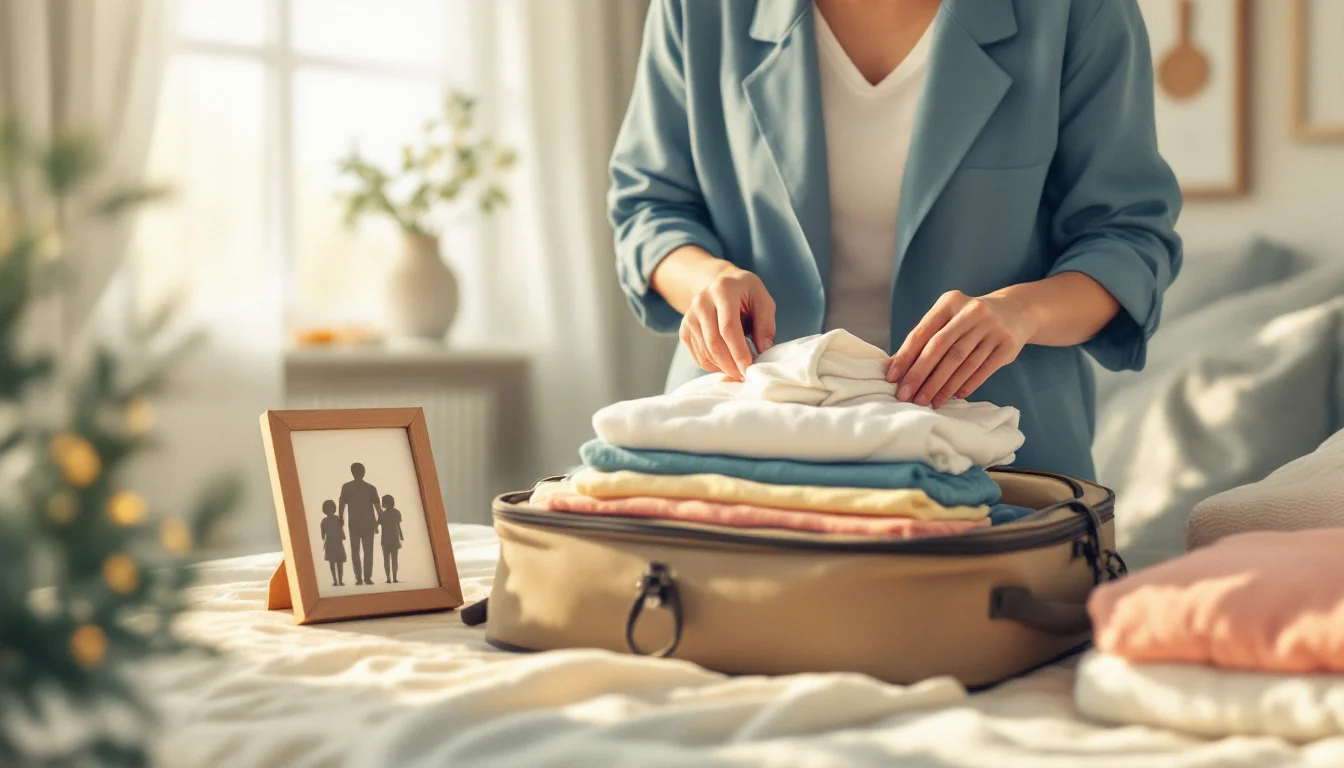
Most residential programs last 30 to 90 days, so pack accordingly. Focus on comfort, modesty, and practicality rather than fashion.
Recommended Clothing
- 7–10 days of comfortable casual clothing — Enough to get through a week without daily laundry; most facilities have on-site laundry
- Sleepwear and robe — Modest, comfortable options for shared or semi-private living spaces
- Undergarments and socks — Pack at least two weeks' worth
- Athletic wear — For exercise, yoga, or recreational activities (many programs include physical wellness components)
- Comfortable walking shoes — For outdoor activities and campus navigation
- Slip-on shoes or sandals — For easy on/off in residential areas
- Weather-appropriate outerwear — Jacket or coat depending on season and location
- Swimsuit — If the facility has a pool or aquatic therapy program
- Hat and sunglasses — For outdoor time and sun protection
- Belt — If needed for pants (some facilities prohibit drawstrings)
Laundry Considerations
- Laundry bag — For transporting dirty clothes to laundry facilities
- Quarters — If machines aren't card-operated
What to Avoid
- Clothing with drug or alcohol references, profanity, or explicit imagery
- Revealing clothing (very short shorts, low-cut tops, see-through fabrics)
- Clothing with drawstrings (potential safety concern in some facilities)
- Valuable jewelry or accessories that could be lost or stolen
- Clothing requiring dry cleaning or special care
Toiletries and Personal Care
Most facilities require alcohol-free products. Check labels carefully — many common toiletries contain alcohol as an ingredient.
Essential Toiletries
- Toothbrush and toothpaste
- Deodorant (stick or roll-on; aerosols often prohibited)
- Shampoo and conditioner
- Body wash or soap
- Facial cleanser and moisturizer
- Razor and shaving cream (some facilities restrict razor types; electric razors may be required)
- Hairbrush or comb
- Hair styling products (alcohol-free)
- Sunscreen
- Lip balm
- Tissues or handkerchiefs
- Feminine hygiene products (if applicable; pack sufficient supply)
Personal Care Items
- Nail clippers (some facilities restrict these; check policy)
- Hair dryer or styling tools (if permitted; some facilities provide these)
Prescription Medications
- All current prescription medications in original pharmacy bottles — Do not pre-sort into pill organizers; staff will manage medication administration
- Over-the-counter medications — Check with facility first; many prohibit outside OTC products
Critical: Bring a complete, accurate list of all medications, including vitamins and supplements. Clinical staff will review everything during intake and determine what can be kept and what will be provided by the facility.
Comfort and Recreation Items
Treatment involves significant emotional work. Having familiar comfort items can help you feel grounded during challenging moments.
Permitted Comfort Items
- Photos of loved ones — Unframed photos or small photo album (frames with glass often prohibited)
- Journal or notebook — For processing thoughts, feelings, and treatment insights
- Pens and pencils — For writing (some facilities restrict certain writing instruments)
- Books — Self-help, recovery literature, or inspirational reading (check content restrictions; avoid material glorifying substance use)
- Religious or spiritual texts — If faith is part of your recovery approach
- Small stuffed animal or comfort object — For those who find comfort in tactile items
Exercise and Wellness
- Yoga mat — If the facility doesn't provide them
- Resistance bands — Lightweight exercise equipment (check facility policy)
- Athletic shoes — As mentioned in clothing section
Electronics
Policies vary dramatically. Some facilities:
- Prohibit all personal electronics initially
- Allow limited phone use during designated times
- Permit laptops for work or school obligations
- Provide supervised internet access
Ask specifically about:
- Smartphones and chargers
- Laptops or tablets
- MP3 players (non-internet enabled devices may be permitted when smartphones are not)
- E-readers (Kindle, etc.)
- Headphones or earbuds
If electronics are prohibited, the facility will typically provide scheduled opportunities to make calls or use computers for essential communication.
Items to Leave at Home
Understanding what not to bring is equally important. These items are universally prohibited or strongly discouraged:
Prohibited Substances and Items
- Alcohol and drugs — Including any substances not in original prescription bottles
- Drug paraphernalia — Pipes, syringes, rolling papers, etc.
- Weapons — Knives, firearms, pepper spray, or any item that could be used as a weapon
- Aerosol products — Hairspray, spray deodorant, cleaning sprays (fire hazard and inhalant risk)
- Cleaning supplies — Facilities provide these
- Candles or incense — Fire hazard
Valuables and Irreplaceable Items
- Expensive jewelry — Wedding rings are usually permitted; other valuable jewelry should stay home
- Large amounts of cash — More than $100–$200 is unnecessary and creates risk
- Irreplaceable sentimental items — Photos, heirlooms, or objects that would devastate you to lose
- Credit cards you don't need — Minimize financial exposure
Inappropriate Content
- Books, magazines, or materials depicting or glorifying substance use, violence, or explicit sexual content
- Clothing with inappropriate messaging — Drug references, profanity, offensive imagery
Food and Beverages
- Outside food and drinks — Most facilities prohibit these for safety and clinical consistency
- Caffeine products — Some facilities restrict caffeine; check policy
- Vitamins and supplements — Staff will review and provide approved alternatives if needed
Special Considerations
For Those Taking Medication-Assisted Treatment (MAT)
If you're entering treatment while taking buprenorphine, methadone, or naltrexone:
- Bring documentation of your current prescription and dosing
- Bring sufficient medication to cover the transition period if the facility doesn't immediately dispense
- Confirm the facility's MAT policy before admission — not all programs accommodate medication-assisted treatment
For Those with Co-Occurring Mental Health Conditions
- Bring contact information for your psychiatrist or mental health provider
- Bring records of recent psychiatric evaluations or hospitalizations
- Pack comfort items that help with anxiety or sensory regulation (fidget tools, weighted items if permitted)
- Include a list of coping strategies that have worked for you previously
For Parents Leaving Children
- Arrange and document childcare plans thoroughly
- Bring photos of your children for motivation and comfort
- Prepare letters or recorded messages for children if the program restricts phone access initially
- Ensure emergency contact information for children is clear and accessible
For Those with Work or School Obligations
- Bring contact information for HR departments or academic advisors
- Prepare out-of-office messages or notifications in advance
- If permitted, bring devices needed for essential communication (understand facility policies first)
- Consider bringing materials for any required continuing education or professional obligations
The Intake Process: What to Expect
When you arrive at the facility, staff will guide you through intake. This typically includes:
- Initial screening — Vital signs, basic health assessment, and substance use evaluation
- Baggage inspection — Staff will review everything you brought to ensure compliance with facility policies
- Inventory and storage — Prohibited or restricted items will be stored securely or returned to family
- Medication reconciliation — Clinical staff will inventory and take custody of all medications
- Orientation — Review of facility rules, schedules, and expectations
This process can take several hours. Having your documents organized and your bags packed thoughtfully makes everything smoother.
Preparing Emotionally, Not Just Physically
While this guide focuses on practical preparation, emotional readiness matters equally. Consider:
- Writing a letter to yourself — Why you're seeking treatment, what you hope to achieve, encouragement for difficult moments
- Setting up a support system — Identify family members or friends who will provide emotional support during treatment
- Managing expectations — Treatment is challenging. There will be difficult days alongside breakthrough moments
- Planning for aftercare — Begin thinking about what comes after residential treatment (outpatient care, sober living, support groups)
A Final Note for Families
If you're helping a loved one pack for treatment:
- Be supportive, not controlling — Offer guidance without taking over completely
- Respect their autonomy — This is their treatment journey
- Double-check the checklist together — Two sets of eyes catch what one might miss
- Prepare yourself emotionally — Family members also benefit from support during this transition
- Ask about family programming — Many facilities offer family therapy or education sessions
Summary Checklist
Documents
- Government-issued photo ID
- Insurance cards
- List of current medications
- Emergency contact information
- Small amount of cash and/or credit card
Clothing (7–10 days)
- Comfortable casual clothing
- Sleepwear and robe
- Undergarments and socks (2 weeks)
- Athletic wear
- Comfortable walking shoes
- Weather-appropriate outerwear
- Swimsuit (if applicable)
Toiletries (alcohol-free)
- Toothbrush and toothpaste
- Deodorant (non-aerosol)
- Shampoo and conditioner
- Body wash or soap
- Razor and shaving cream (check facility policy)
- Hairbrush and styling products
- Sunscreen and lip balm
- Feminine hygiene products
Comfort Items
- Photos of loved ones (unframed)
- Journal and pens
- Approved books or reading materials
- Religious or spiritual texts
Medications
- All prescriptions in original bottles
- Complete medication list
Entering residential treatment represents a significant step toward recovery. Being well-prepared allows you to focus fully on the therapeutic work ahead rather than worrying about forgotten items or logistics. Pack thoughtfully, ask questions when you're uncertain, and remember: the most important thing you're bringing is your commitment to change.
If you or someone you love is considering treatment but hasn't yet chosen a facility, our team can help you understand your options and navigate insurance verification. Recovery is possible, and proper preparation is part of building a foundation for lasting success.
Sources
You might also read