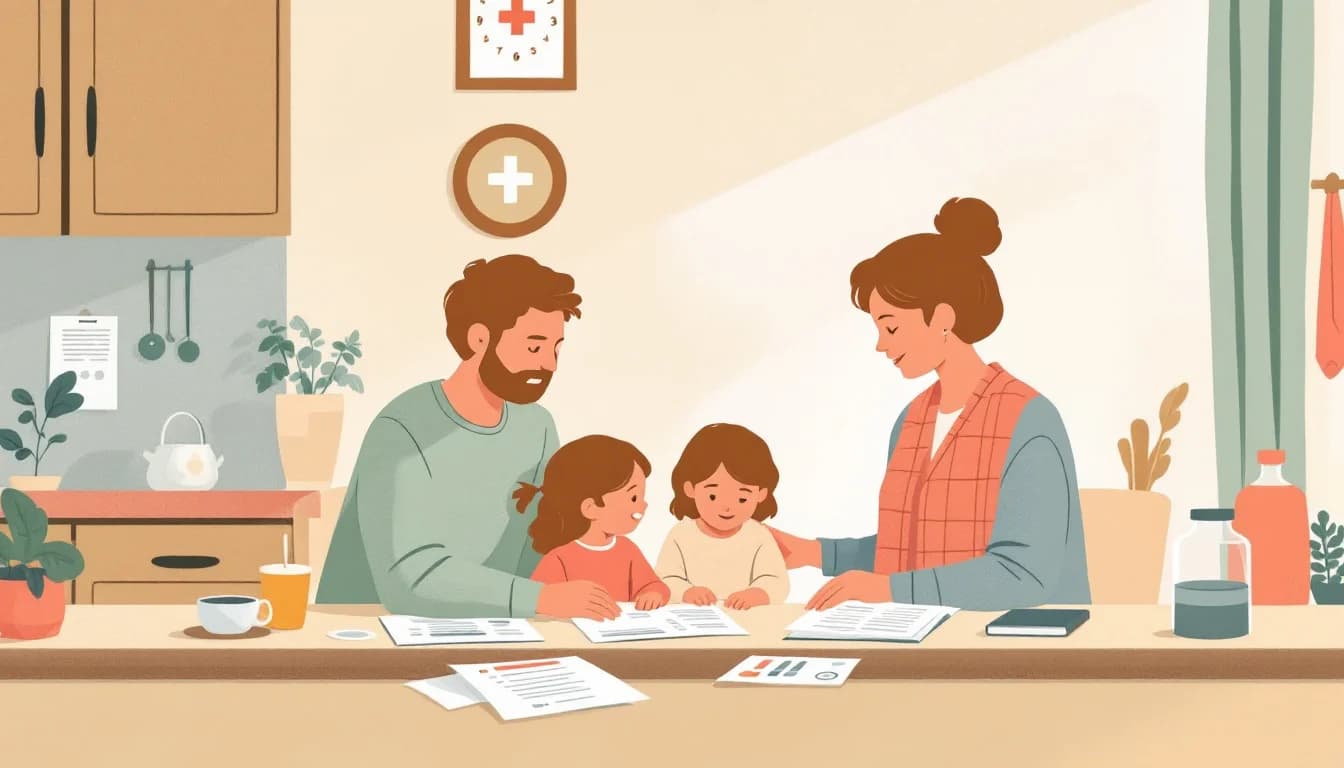
Understanding Medication-Assisted Treatment (MAT): A Family Guide
A comprehensive guide for families on medication-assisted treatment for opioid and alcohol use disorders — how MAT works, the three FDA-approved medications, and what to expect.

When someone you love is struggling with opioid or alcohol addiction, the path forward can feel overwhelming. You may have heard about medication-assisted treatment (MAT) but aren't sure what it means, how it works, or whether it's the right choice. This guide explains MAT in clear, practical terms — what the medications do, how they fit into a broader treatment plan, and what families should know.
What Is Medication-Assisted Treatment?
Medication-assisted treatment combines FDA-approved medications with counseling and behavioral therapies to treat substance use disorders. It's not replacing one addiction with another — it's a clinically proven approach that helps stabilize brain chemistry, reduce cravings, and allow people to focus on recovery.
The key insight families need to understand: addiction changes the brain. Long-term substance use alters how the brain processes reward, motivation, and decision-making. MAT medications work by normalizing brain chemistry, blocking the euphoric effects of alcohol and opioids, or relieving physiological cravings. This biological stabilization gives people the mental clarity to engage in therapy, rebuild relationships, and develop coping skills.
Research consistently shows that MAT improves patient survival, increases retention in treatment, decreases illicit opiate use and other criminal activity among people with substance use disorders, and improves birth outcomes among women who have substance use disorders and are pregnant.
The Three FDA-Approved Medications for Opioid Use Disorder
For opioid addiction, three medications are approved by the FDA: buprenorphine, methadone, and naltrexone. Each works differently, and the right choice depends on individual circumstances.
Buprenorphine
Buprenorphine is a partial opioid agonist, meaning it activates opioid receptors in the brain but produces a weaker effect than full agonists like heroin or methadone. It has a "ceiling effect" — taking more doesn't produce stronger effects beyond a certain point, which reduces the risk of misuse and overdose.
How it's taken: Buprenorphine is typically prescribed as a sublingual film or tablet that dissolves under the tongue. Some formulations combine buprenorphine with naloxone (branded as Suboxone among others) to deter misuse — if someone tries to inject the medication, the naloxone triggers withdrawal symptoms.
Where it's available: Qualified physicians, nurse practitioners, and physician assistants can prescribe buprenorphine in office-based settings, making it more accessible than methadone for many patients. This flexibility allows people to receive treatment from their primary care provider or a specialized addiction clinic.
Duration: Many patients stay on buprenorphine for months or years. There's no maximum recommended duration — the decision to taper should be individualized and made collaboratively between patient and provider.
Methadone
Methadone is a full opioid agonist that has been used to treat opioid addiction since the 1960s. When taken as prescribed, it eliminates withdrawal symptoms and reduces cravings without producing the euphoric high of other opioids.
How it's taken: Methadone is dispensed as a liquid, typically taken once daily. Because it's a full agonist with overdose potential if misused, methadone for opioid use disorder can only be provided through certified opioid treatment programs (OTPs). Patients must visit the clinic daily initially, though they may earn take-home doses over time as they demonstrate stability.
Where it's available: Only OTPs can dispense methadone for addiction treatment. These programs provide comprehensive services including counseling, medical monitoring, and case management.
Considerations: Methadone requires more structure and daily commitment, which can be challenging for some patients but provides important accountability and support, especially in early recovery.
Naltrexone
Naltrexone works differently — it's an opioid antagonist that blocks opioid receptors. If someone takes naltrexone and then uses heroin or other opioids, they won't feel the effects. This removes the reward from opioid use.
How it's taken: Naltrexone comes in two forms: a daily oral tablet and a monthly extended-release injection (Vivitrol). The injection is often preferred because it eliminates the need for daily medication adherence.
Critical requirement: Before starting naltrexone, patients must be completely detoxified from opioids — typically 7-10 days opioid-free. Starting naltrexone too soon can precipitate severe withdrawal. This detoxification requirement is the main barrier to naltrexone initiation.
Where it's available: Any licensed healthcare provider can prescribe naltrexone, making it accessible in various settings including primary care.
Medications for Alcohol Use Disorder
MAT is also effective for alcohol addiction, though it's less commonly discussed. Three medications are FDA-approved:
Naltrexone
The same medication used for opioid addiction works for alcohol by blocking the pleasurable effects of drinking and reducing cravings. It can be prescribed as a daily oral medication or monthly injection. Naltrexone is most effective for people who want to reduce drinking or achieve abstinence.
Acamprosate
Acamprosate helps people maintain abstinence after they've stopped drinking. It works by stabilizing chemical signaling in the brain that is disrupted by chronic alcohol use. It's taken as two tablets three times daily, which can be challenging for some patients to maintain.
Disulfiram
Disulfiram creates an unpleasant reaction (flushing, nausea, headache) when alcohol is consumed, acting as a deterrent. It's taken as a daily tablet. Because it doesn't reduce cravings and requires complete abstinence to avoid the reaction, it's generally used for patients who are highly motivated and have support to maintain sobriety.
How MAT Fits Into Comprehensive Treatment
Medications are one component of effective treatment. Counseling and behavioral therapies address the psychological, social, and behavioral aspects of addiction. This combination is what makes MAT effective — the medication provides stability while therapy builds skills and addresses underlying issues.
Common Therapeutic Approaches
Cognitive Behavioral Therapy (CBT) helps patients recognize and change negative thought patterns and behaviors related to substance use. It teaches practical skills for managing triggers and high-risk situations.
Motivational Interviewing helps patients explore and resolve ambivalence about change, strengthening their motivation for recovery.
Contingency Management uses positive reinforcement (rewards for negative drug tests, attendance, etc.) to encourage treatment engagement and abstinence.
Family Therapy involves family members in the treatment process, improving communication, addressing relationship dynamics, and building a supportive home environment.
Peer Support Groups like SMART Recovery or 12-step programs provide ongoing community support. MAT is compatible with mutual help participation — the medications are tools that support recovery, not replacements for community connection.
Addressing Common Concerns About MAT
"Isn't MAT just replacing one addiction with another?"
No. Addiction is characterized by compulsive use despite negative consequences, loss of control, and continued use despite harm. MAT medications, when taken as prescribed, allow people to function normally without intoxication or impairment. They don't produce the euphoric high of misused substances, and they enable people to work, parent, and engage in life — the opposite of active addiction.
The medical consensus is clear: MAT is the gold standard for opioid use disorder treatment. The National Institute on Drug Abuse, the American Medical Association, the American Society of Addiction Medicine, and the Substance Abuse and Mental Health Services Administration all endorse MAT as an evidence-based treatment.
"How long does someone need to stay on MAT?"
There's no one-size-fits-all answer. Some people use MAT for months, others for years, and some indefinitely. The decision to taper should be individualized based on patient stability, support systems, risk factors for relapse, and personal preference.
Research shows that longer duration of treatment is associated with better outcomes. Stopping MAT prematurely significantly increases overdose risk. The goal is sustained recovery, not rushing off medication.
"Can you overdose while on MAT?"
Buprenorphine has a ceiling effect that makes overdose unlikely when taken alone. However, combining it with benzodiazepines, alcohol, or other sedatives increases overdose risk. Methadone overdose risk exists, particularly during induction or when combined with other substances. Naltrexone blocks opioid effects, but patients who stop taking it and return to previous opioid doses are at high overdose risk due to reduced tolerance.
Harm reduction strategies — including naloxone access, education about overdose signs, and avoiding polysubstance use — remain important for everyone in recovery.
"Does insurance cover MAT?"
The Mental Health Parity and Addiction Equity Act requires most insurance plans to cover substance use disorder treatment similarly to other medical conditions. Medicaid covers MAT in all states, though specific medications and prior authorization requirements vary. Medicare covers MAT with certain limitations.
Many states have expanded access through Medicaid expansion and opioid settlement fund allocations. If you're facing coverage challenges, patient assistance programs through pharmaceutical manufacturers and state treatment access programs may help.
What Families Can Do to Support MAT
Learn About the Medication
Understanding how your loved one's medication works helps you provide appropriate support. Know the dosing schedule, potential side effects, and what to do if a dose is missed. Ask their provider or pharmacist questions.
Support Medication Adherence
Forgetting doses or running out of medication increases relapse risk. Help your loved one establish routines, set reminders, or arrange transportation to clinic appointments if needed.
Address Stigma
Unfortunately, stigma around MAT persists even within recovery communities. Some people mistakenly view MAT as "not real recovery." This is medically inaccurate and potentially harmful. Your support in challenging these misconceptions helps your loved one stay engaged in treatment.
Encourage Comprehensive Care
Medications work best alongside counseling and support services. Encourage (but don't pressure) participation in therapy, peer support groups, and other recommended services.
Take Care of Yourself
Supporting someone through addiction recovery is emotionally demanding. Consider attending family support groups like Al-Anon, Nar-Anon, or SMART Recovery Family & Friends. Your well-being matters too.
Finding MAT Providers
SAMHSA Treatment Locator
The SAMHSA National Helpline (1-800-662-HELP) provides free, confidential, 24/7 treatment referral and information. Their online treatment locator at findtreatment.gov allows you to search for providers offering MAT by location, insurance, and other criteria.
Buprenorphine Practitioner Locator
SAMHSA maintains a searchable directory of buprenorphine-waivered practitioners at samhsa.gov/medication-assisted-treatment/find-help. This can help you identify local providers who can prescribe buprenorphine.
Opioid Treatment Programs
For methadone treatment, SAMHSA's OTP directory lists certified programs by state. These programs provide comprehensive services including medication, counseling, and medical monitoring.
Primary Care Integration
An increasing number of primary care practices offer MAT, recognizing that addiction is a medical condition best treated in medical settings. If your loved one has a trusted primary care provider, starting the conversation there may be a good first step.
Questions to Ask Potential Providers
When evaluating MAT programs, consider asking:
- Which medications do you offer, and how do you decide which is appropriate?
- What counseling and behavioral therapies are included?
- How do you handle relapse or continued substance use?
- What's your approach to tapering or long-term maintenance?
- Do you treat co-occurring mental health conditions?
- What are your policies on take-home medication?
- How do you involve family members in treatment?
- What insurance do you accept, and what are out-of-pocket costs?
The right provider will welcome these questions and involve your loved one in shared decision-making about their treatment plan.
The Bottom Line
Medication-assisted treatment is not a crutch or a shortcut — it's evidence-based medical care that saves lives. For opioid use disorder specifically, MAT reduces mortality by 50% or more compared to no treatment. It allows people to stabilize, engage in therapy, rebuild their lives, and sustain recovery.
As a family member, your understanding and support make a difference. Learning about MAT, challenging stigma, and encouraging comprehensive care helps your loved one get the most from treatment. Recovery is possible, and MAT is a powerful tool that makes it more achievable.
If you or someone you love is struggling with opioid or alcohol addiction, reach out for help today. Treatment works, and you don't have to navigate this alone.
Need help finding treatment? Call the SAMHSA National Helpline at 1-800-662-HELP (4357) for free, confidential, 24/7 assistance locating MAT providers in your area.
Sources
You might also read