Addiction Treatment During Pregnancy: A Guide for Expectant Mothers and Families
Evidence-based guide to addiction treatment during pregnancy. Learn why medication-assisted treatment is the standard of care, how to find specialized programs, and what families should know.
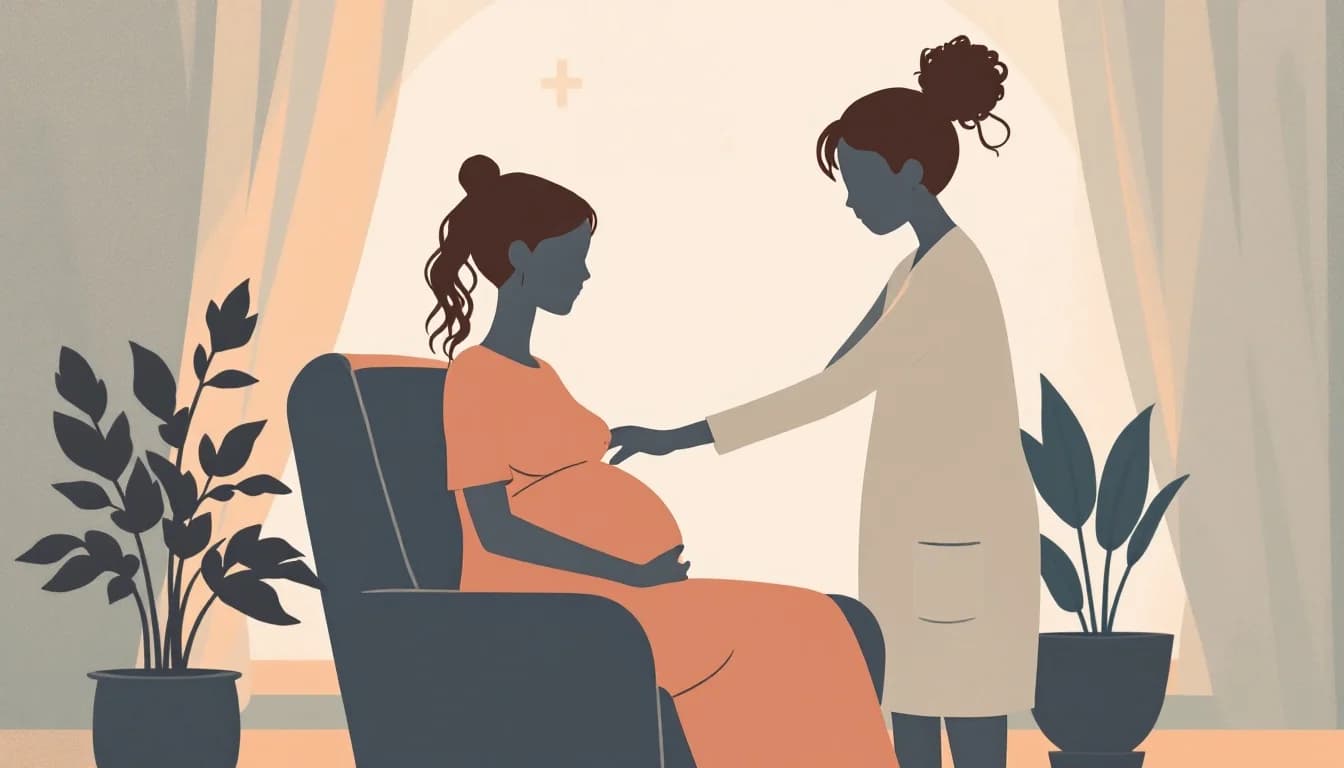
Finding out you're pregnant while struggling with a substance use disorder can feel overwhelming. Fear, shame, and uncertainty about what treatment might mean for you and your baby often keep women from seeking the help they need. If this describes you or someone you love, the most important thing to know is this: treatment during pregnancy is safe, effective, and dramatically improves outcomes for both mother and baby.
This guide explains what evidence-based addiction treatment looks like during pregnancy, why certain approaches are recommended over others, how to find a program that specializes in maternal care, and what families can do to provide meaningful support.
Why Treatment During Pregnancy Matters
The Risks of Untreated Substance Use Disorders
Untreated substance use during pregnancy carries serious risks for both mother and baby:
- For the mother: Overdose, infections from injection drug use, poor nutrition, lack of prenatal care, and complications from withdrawal
- For the baby: Preterm birth, low birth weight, stillbirth, neonatal abstinence syndrome (NAS), and long-term developmental effects
Perhaps the most underappreciated risk is the cycle of untreated addiction itself. Women who don't receive treatment during pregnancy often experience repeated cycles of intoxication and withdrawal. Each withdrawal episode puts stress on the fetus, reducing oxygen supply and increasing the risk of miscarriage or preterm labor. For opioid use disorder specifically, the fluctuating opioid levels in an untreated mother's bloodstream are harder on the fetus than a stable, medically managed dose of treatment medication.
Overdose is now a leading cause of pregnancy-associated death in the United States. According to NIDA, overdose deaths among pregnant and postpartum women have risen sharply over the past decade, driven largely by fentanyl in the drug supply. Treatment is not just beneficial — it is lifesaving.
Treatment Changes the Outcome
The evidence is unambiguous: women who receive addiction treatment during pregnancy have healthier pregnancies, healthier babies, and better long-term recovery outcomes. Engagement in treatment also dramatically increases the likelihood that mother and baby stay together after birth — one of the strongest predictors of long-term family wellbeing.
The Standard of Care: What Evidence-Based Treatment Looks Like
Medication-Assisted Treatment Is Recommended — Not Avoided
One of the most persistent and harmful myths is that pregnant women should stop all opioids immediately, including treatment medications. Major medical organizations — including the American Society of Addiction Medicine (ASAM), the American College of Obstetricians and Gynecologists (ACOG), and SAMHSA — recommend the opposite for opioid use disorder.
Methadone and buprenorphine are the standard of care during pregnancy. Here's why:
- Stability protects the fetus: A consistent, medically supervised dose prevents the dangerous cycles of intoxication and withdrawal that stress the developing baby
- Better prenatal engagement: Women on MAT attend more prenatal appointments and receive better overall medical care
- Lower relapse and overdose risk: MAT reduces the risk of return to illicit use — and with fentanyl contaminating the drug supply, relapse during pregnancy can be fatal
- Improved birth outcomes: Babies born to mothers on MAT have higher birth weights and fewer complications than babies born to mothers with untreated opioid use disorder
Medically supervised withdrawal ("detox") during pregnancy is generally not recommended for opioid use disorder because of high relapse rates and the risks that withdrawal poses to the fetus. If withdrawal is considered at all, it should only happen under close specialist supervision — never attempted alone.
What About Neonatal Abstinence Syndrome (NAS)?
Many mothers worry that taking methadone or buprenorphine will cause their baby to experience withdrawal after birth, known as neonatal abstinence syndrome (NAS) or neonatal opioid withdrawal syndrome (NOWS). This concern deserves an honest answer:
- Yes, babies exposed to opioids in the womb — including treatment medications — may experience NAS
- However, NAS is treatable and temporary. With modern approaches like "Eat, Sleep, Console" care, most babies manage symptoms with rooming-in, skin-to-skin contact, and breastfeeding, often without medication
- The benefits of stable maternal treatment far outweigh the manageable risks of NAS
- Untreated addiction carries far worse outcomes: preterm birth, fetal distress, stillbirth, and maternal overdose
Choosing MAT is not choosing to harm your baby — it is choosing the safest available path for both of you.
Alcohol Use Disorder During Pregnancy
Alcohol presents different challenges. There is no known safe amount of alcohol during pregnancy, and stopping use is the goal. However, alcohol withdrawal can be dangerous — even life-threatening — and should never be attempted without medical supervision, especially during pregnancy. Medically supervised withdrawal in an inpatient setting is typically recommended, followed by ongoing behavioral treatment and support.
Benzodiazepine dependence similarly requires careful, medically supervised tapering. Never stop benzodiazepines abruptly during pregnancy.
Behavioral Therapy and Comprehensive Support
Medication is only one part of treatment. Effective programs for pregnant women include:
- Prenatal care coordination: Addiction treatment integrated with obstetric care, ideally in one setting or through closely coordinated providers
- Behavioral therapies: Cognitive behavioral therapy (CBT), contingency management, and motivational interviewing — all safe and effective during pregnancy
- Trauma-informed care: Many women with substance use disorders have histories of trauma; treatment should address this without judgment
- Mental health treatment: Depression and anxiety commonly co-occur and require treatment — many psychiatric medications can be safely managed during pregnancy
- Practical support: Help with housing, transportation, food security, and childcare removes barriers that keep women out of treatment
Finding a Program That Specializes in Pregnancy
What to Look For
Not all treatment programs are equipped — or willing — to treat pregnant women. When searching for care, look for programs that:
- Explicitly accept pregnant patients — ask directly, as some programs decline pregnant women despite this being against best practice
- Offer or coordinate MAT with methadone or buprenorphine
- Provide integrated prenatal care or have formal partnerships with obstetric providers
- Employ staff trained in maternal addiction medicine — ask about their experience with pregnant patients specifically
- Offer postpartum and parenting support, including help with NAS care, lactation support, and parenting education
- Take a non-punitive approach — the program's attitude toward pregnant patients tells you a lot about the quality of care you'll receive
Questions to Ask a Program
- Do you currently accept pregnant patients, and how many have you treated recently?
- Do you provide methadone or buprenorphine for pregnant women with opioid use disorder?
- How do you coordinate with my OB-GYN or prenatal care provider?
- What happens after delivery — do you support mother-infant rooming-in and breastfeeding on MAT?
- What postpartum support do you offer, and for how long?
- Do you accept Medicaid or offer sliding-scale fees?
Where to Start Your Search
- SAMHSA National Helpline: 1-800-662-4357 (free, confidential, 24/7, English and Spanish) — can identify programs that serve pregnant women
- SAMHSA treatment locator: findtreatment.gov — filter for programs accepting pregnant patients
- Your prenatal provider: OB-GYNs increasingly screen for substance use and can refer directly to appropriate programs
- State substance use authority: Many states fund specialized programs for pregnant and parenting women — these often provide priority admission
Addressing the Fears That Keep Women From Treatment
"Will They Take My Baby?"
Fear of child welfare involvement is one of the biggest barriers to treatment. The reality is more nuanced than the fear suggests:
- Seeking treatment is viewed favorably, not punitively, in most jurisdictions. Engaging in prenatal care and addiction treatment demonstrates exactly the kind of protective parenting behavior that child welfare systems want to see
- Laws vary significantly by state. Some states have supportive policies that prioritize keeping mother and baby together when the mother is in treatment; others have more punitive frameworks
- Hospitals are generally required to develop a "Plan of Safe Care" for substance-exposed infants under the federal CAPTA law — this is a support plan, not an automatic removal
- Being honest with your treatment team allows them to help you navigate reporting requirements and advocate for you
The single most protective thing a pregnant woman can do — legally and medically — is to enter treatment early.
"Will People Judge Me?"
Stigma against pregnant women with substance use disorders is real, and it exists even within healthcare. But attitudes are changing. Addiction is a medical condition, not a moral failing, and quality programs treat it that way. If a provider makes you feel judged or shamed, that reflects a problem with the provider — not with you. You deserve compassionate care, and it exists.
"Is It Too Late?"
It is never too late. Entering treatment at any point in pregnancy improves outcomes. Earlier is better, but treatment that begins in the third trimester still meaningfully improves the health of mother and baby compared to no treatment at all.
After Delivery: The Postpartum Period
The postpartum period is a vulnerable time — hormonally, emotionally, and in terms of relapse risk. Research shows that overdose risk is actually highest in the year after delivery, making continuity of care essential.
Key Elements of Postpartum Care
- Continue MAT without interruption: Doses may need adjustment after delivery, but stopping treatment postpartum dramatically raises relapse and overdose risk
- Breastfeeding is usually encouraged for mothers stable on methadone or buprenorphine — it can even reduce NAS severity. Discuss your specific situation with your care team
- Screen for postpartum depression and anxiety, which co-occur frequently and need active treatment
- Maintain the support structure: Therapy, peer support, parenting groups, and practical assistance matter more, not less, after the baby arrives
- Contraception counseling: Planning future pregnancies is part of comprehensive postpartum care
How Families Can Help
If someone you love is pregnant and struggling with substance use, your response can make an enormous difference:
- Lead with compassion, not confrontation. Shame drives women away from treatment. Express love and concern, not judgment.
- Help remove practical barriers. Offer rides to appointments, help with childcare, assist with insurance paperwork. Logistics kill more treatment plans than motivation does.
- Support the treatment plan — including MAT. Don't pressure her to "get off that medication." Methadone and buprenorphine are treatment, not a substitute addiction.
- Learn about NAS so you can be a calm, informed presence after delivery rather than a source of panic.
- Take care of yourself too. Family support groups like Al-Anon and Nar-Anon welcome anyone affected by a loved one's substance use, in any circumstance.
The Bottom Line
Pregnancy can be a powerful motivation for change — and the medical system has effective, evidence-based tools to help. Medication-assisted treatment with methadone or buprenorphine is the standard of care for opioid use disorder during pregnancy. Medically supervised care is essential for alcohol and benzodiazepine dependence. Specialized programs exist that treat pregnant women with the dignity and expertise they deserve.
The bravest and most protective thing a pregnant woman with a substance use disorder can do is ask for help. If that's you: call SAMHSA's National Helpline at 1-800-662-4357 — free, confidential, available 24/7. If it's someone you love: help her make that call, and stay beside her for what comes after.
Sources
You might also read