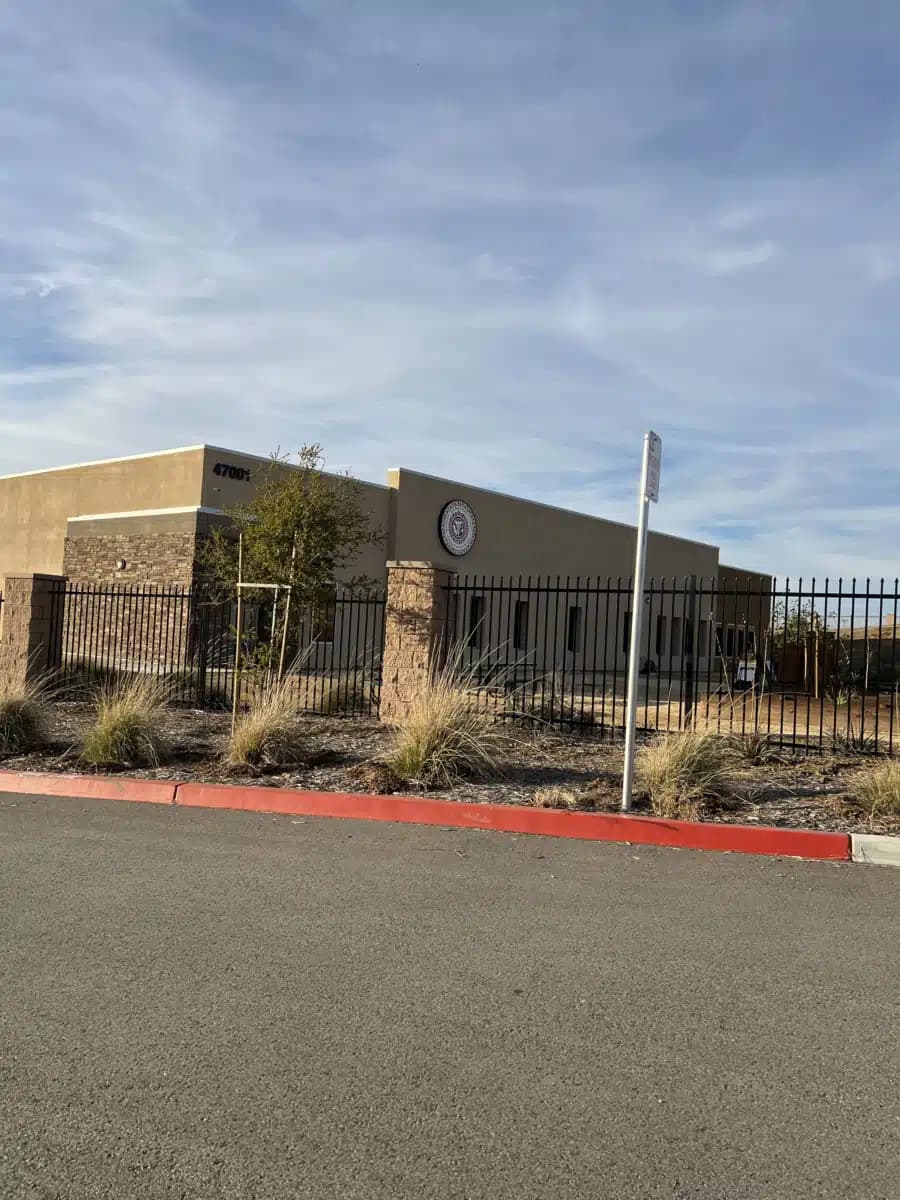
County of Los Angeles — Torrance, CA
Harbor UCLA Adult Primary Care/MAT • 1000 West Carson Street, Clinic B • Torrance, CA 90502
24/7 National Helpline: 1-800-662-4357
Full Address
1000 West Carson Street, Clinic B
Torrance, California 90502
Phone Numbers
Main: 424-306-4546
Intake: 424-306-5700
Hours
Contact facility for hours
County of Los Angeles
1000 West Carson Street, Clinic B, Torrance, CA 90502
About County of Los Angeles — Detox Treatment
Situated in Torrance, CA, the County of Los Angeles Rehabilitation Center provides a wide array of detoxification and substance use treatment programs. This facility is dedicated to offering specialized services for adult men, adult women, and individuals who have faced intimate partner violence. Here, clients benefit from hospital inpatient treatment that emphasizes brief intervention, motivational interviewing, and counseling for substance use disorders. The center caters to adults and young adults of all genders, making sure that care is tailored to meet their unique needs through various evidence-based practices. If you or someone you care about is looking for effective rehabilitation services, you will find a supportive environment for recovery at this facility.
Insurance Accepted at County of Los Angeles
Coverage eligibility varies by plan and policy. Reach out to verify your benefits before admission.
County of Los Angeles
1000 West Carson Street, Clinic B, Torrance, CA 90502
24/7 National Helpline: 1-800-662-4357
Detox & Inpatient Programs at County of Los Angeles
| Type of Care | Detoxification, Substance use treatment |
| Service Settings | Hospital inpatient detoxification, Hospital inpatient treatment, Hospital inpatient/24-hour hospital inpatient, Outpatient, Outpatient methadone/buprenorphine or naltrexone treatment, Regular outpatient treatment |
| Medications Offered | Buprenorphine used in Treatment, Naltrexone used in Treatment |
Motivational Interviewing & Therapies at County of Los Angeles
Conditions Treated at County of Los Angeles — Opioid Addiction & More
Specialty Tracks at County of Los Angeles — LGBTQ+ Affirming Care & More
Payment Options at County of Los Angeles — Insurance & Self-Pay
Insurance Plans
Payment Options
Insurance coverage varies by plan. Contact the facility to verify your specific coverage and out-of-pocket costs.
Adult Admissions at County of Los Angeles
Age Groups
Gender
County of Los Angeles — California Licensed Rehab
 SAMHSA Listed
All Certifications
Related Treatment Programs
Looking for alternatives to County of Los Angeles? Browse our directory of verified treatment centers in California or explore programs by specialty.
FAQs About Treatment at County of Los Angeles
Yes, records indicate this center accepts both Medicaid and Medicare. Eligibility requirements and covered services differ by state and plan type. We recommend calling the admissions team to confirm your specific coverage and any out-of-pocket costs.
This center provides medication-assisted treatment (MAT) using Buprenorphine used in Treatment, Naltrexone used in Treatment. These FDA-approved medications help manage withdrawal symptoms and reduce cravings. A physician will determine the appropriate protocol based on your individual assessment.
Inpatient programs typically follow a structured schedule that includes morning wellness activities, individual therapy sessions, group counseling, educational workshops, and evening recovery meetings. Meals, medication management, and rest periods are built into each day. The consistent routine helps establish healthy habits that support long-term sobriety.
Outpatient treatment is designed for individuals who need flexibility. Sessions are typically scheduled around work, school, or family responsibilities. This allows you to apply recovery skills in real-world situations while receiving professional support.
Young adult tracks address the unique challenges of this age group, including peer pressure, identity formation, and transitioning to independence. These programs often include career counseling and life skills development alongside traditional addiction therapy.
This facility provides LGBTQ+-affirming care in a welcoming environment. Treatment addresses the specific challenges faced by LGBTQ+ individuals, including minority stress, family rejection, and discrimination. Staff receive training to deliver culturally competent, respectful care.
Gender-specific programming allows women to address topics like trauma, relationships, and parenting in a supportive setting. Some facilities offer childcare coordination or family housing options. Inquire about pregnancy-safe protocols if applicable.
Trauma-informed care is integrated throughout treatment, with therapies like EMDR, somatic experiencing, or trauma-focused CBT available for qualifying patients. Staff are trained to recognize trauma responses and create a physically and emotionally safe treatment environment.
Family involvement strengthens long-term recovery outcomes. This facility may offer family therapy sessions, educational workshops, and designated visitation times. Some programs include a family weekend or multi-family group sessions. Contact the center to learn about their specific family programming.
Continuing care planning begins before discharge and may include step-down to outpatient services, referrals to sober living homes, alumni group meetings, and connections to community recovery resources. Many facilities maintain alumni networks that provide ongoing peer support and accountability.
Treatment investment varies based on program length, level of care, and services included. Many facilities work with patients on payment plans or can recommend external financing options. Call for a confidential cost estimate based on your specific situation.
This website provides general information about addiction treatment facilities. It is not a substitute for professional medical advice, diagnosis, or treatment. If you are experiencing a mental health crisis, please call 988 (Suicide & Crisis Lifeline) or 911 for immediate assistance. For substance abuse help, call SAMHSA at 1-800-662-4357.
Data sourced from SAMHSA Treatment Locator, state licensing databases, and facility submissions.