Pennsylvania's Overdose Prevention Program Reaches 100 Partners as State Reports Nearly 30% Drop in Overdose Deaths
Pennsylvania's DDAP says its free naloxone and test strip network now spans 100 partner organizations statewide, with overdose deaths down nearly 30% over three years.

Pennsylvania's Department of Drug and Alcohol Programs (DDAP) announced this week that its Overdose Prevention Program has grown to 100 partner organizations, a milestone state officials paired with encouraging data: overdose deaths in the Commonwealth have fallen by nearly 30 percent over the past three years.
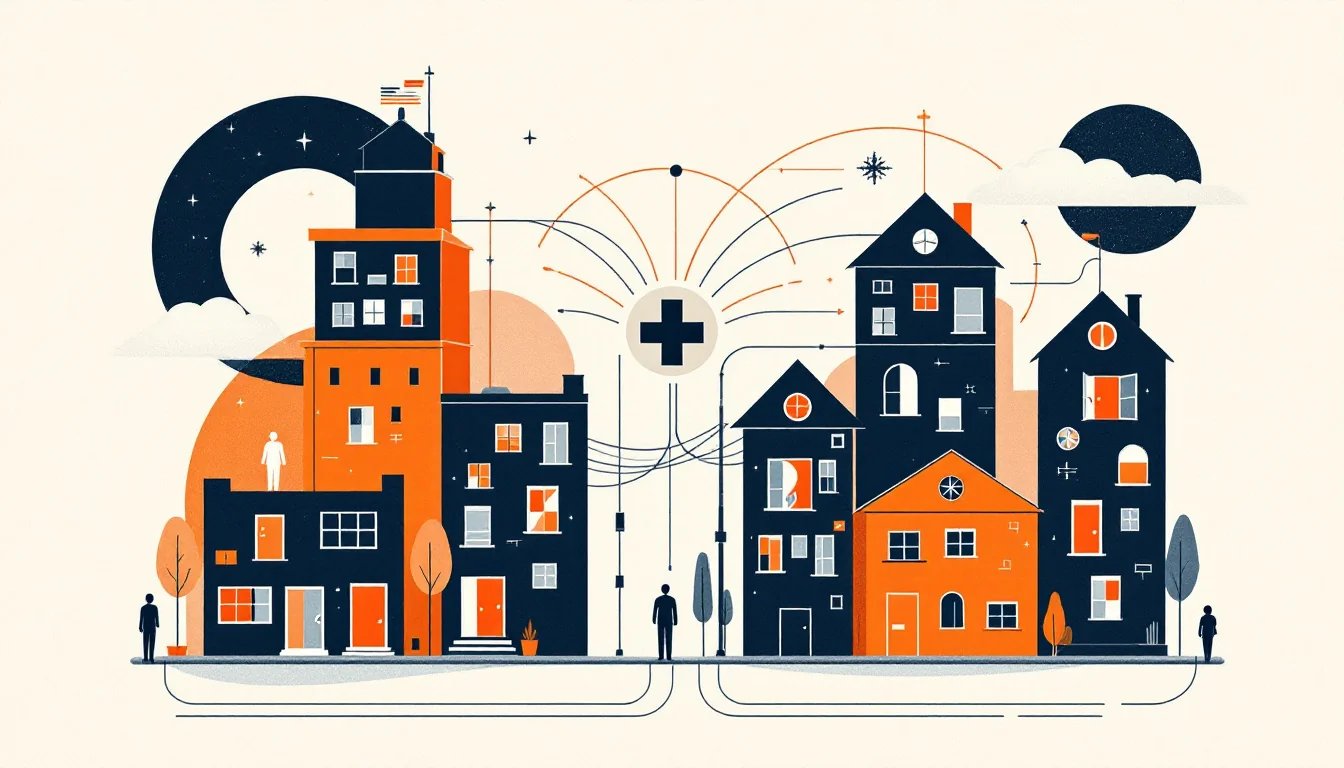
The announcement, made in Shippensburg, caps a steady expansion of the state's hub-and-spoke distribution model, which supplies free naloxone and drug checking strips to local organizations that then hand them out in their own communities — no cost, no prescription, and no questions asked.
What the program does
The Overdose Prevention Program works on a simple premise: the people closest to those at risk of overdose are often community organizations, not government offices. DDAP supplies partner organizations — known as "hubs" — with naloxone, the FDA-approved medication that rapidly reverses an opioid overdose, along with test strips that can detect fentanyl and xylazine in drug samples. Partners then create local access points where anyone can pick up supplies for free.
The partner list now spans all Pennsylvania counties and includes county drug and alcohol offices, health care providers, police departments, fire departments, recovery community organizations, and faith-based groups.
The scale of the effort is significant. According to DDAP, since the start of the Shapiro administration:
- More than 15,000 overdose reversals have been reported using DDAP-supplied naloxone statewide
- Over two million doses of naloxone have been distributed through the program
- Nearly two million fentanyl and xylazine test strips have reached communities
"The Overdose Prevention Program demonstrates DDAP's commitment to reducing overdose deaths by expanding access to naloxone and other life-saving overdose prevention supplies," said DDAP Secretary Dr. Latika Davis-Jones. "Having a strong, statewide network of partners really helps to strengthen our harm reduction infrastructure while emphasizing equity, access, and trust among the individuals using these resources to save lives."
New partners show how the model localizes
Two Cumberland County partners illustrate how the program adapts to different communities.
Shippensburg University became the first institution in the Pennsylvania State System of Higher Education to join the program. Through its Connection Alcohol and Other Drugs (AOD) program, the university has distributed more than 1,500 doses of naloxone, placed in newspaper-style boxes at eight locations — three on campus, including residential and academic buildings, and five off-campus sites, including the Shippensburg public library. Anyone in the community, student or not, can take a dose for free.
"Becoming an overdose prevention partner is an important new chapter — it creates a more efficient pathway for access, streamlines distribution of naloxone and testing strips, and it allows the Connection AOD program to serve as a local site for community members who would like to pick up naloxone," said Kurt Dunkel, the university's Connection AOD and Wellness Programs coordinator.
The network's 100th partner, Sara's House of Hope, is the first faith-based recovery organization to join. Founded in memory of Sara Mishler, who died of a fentanyl overdose, the organization has already distributed more than 2,000 doses of naloxone, along with 600 fentanyl test strips and 450 xylazine test strips, through veterans organizations, recovery houses, educational institutions, libraries, county jails, and emergency shelters.
State officials note that faith-based organizations often serve as trusted first stops in their communities — a reason DDAP has actively sought to bring them into the network.
Why this matters for families
Pennsylvania's nearly 30 percent decline in overdose deaths over three years mirrors a national trend, but public health officials caution that the crisis is far from over. Fentanyl remains the dominant driver of overdose deaths, and adulterants like xylazine — a veterinary sedative that does not respond to naloxone — continue to complicate the drug supply.
That context makes free, low-barrier access to naloxone and test strips more than a statistic. For families with a loved one who uses drugs, these programs mean:
- Naloxone within reach. Every partner organization distributes it free. Carrying naloxone does not encourage drug use — it keeps someone alive long enough to consider treatment.
- A way to check the supply. Fentanyl and xylazine test strips let people who use drugs detect dangerous adulterants before use, a proven harm-reduction practice.
- A front door to treatment. Partner organizations don't just hand out supplies — they connect people to recovery resources when they're ready.
If you're helping a loved one, consider picking up naloxone yourself and keeping it accessible at home. Overdoses often happen in private residences, and the first person on the scene is usually a family member or friend.
Where to find supplies and help
Every overdose prevention partner in Pennsylvania can be located through DDAP's website. Pennsylvanians seeking substance use treatment or recovery support can call the PA Get Help Now helpline at 1-800-662-HELP (4357) — available 24/7 — or use Treatment Atlas, a free, confidential online locator that matches people with treatment options based on their needs.
Local treatment programs are administered through county drug and alcohol offices, known as Single County Authorities, which can help with treatment funding, assessments, and referrals.
Outside Pennsylvania, the SAMHSA National Helpline at 1-800-662-4357 provides free, confidential referrals to treatment and support services nationwide, around the clock.
What's next
DDAP says it will continue recruiting partners, with particular interest in organizations that serve rural communities and populations facing barriers to traditional health care. With 100 hubs now operating across all counties, the state's focus is shifting from building the network to deepening it — more access points per community, more training, and faster distribution of new harm-reduction tools as they become available.
For a state that lost more than 5,000 residents a year to overdoses at the peak of the crisis, a 30 percent decline represents thousands of families spared. State officials credit the improvement to exactly the kind of unglamorous, block-by-block infrastructure the Overdose Prevention Program represents: naloxone in library lobbies, test strips at fire stations, and a recovery center named for someone who didn't make it — working to make sure the next person does.
Sources
You might also read