Springfield, Missouri Puts Free Naloxone Outside All 13 City Fire Stations
Springfield Fire Department is installing free, 24-hour naloxone distribution boxes at all 13 city fire stations, expanding low-barrier overdose reversal access across the community.
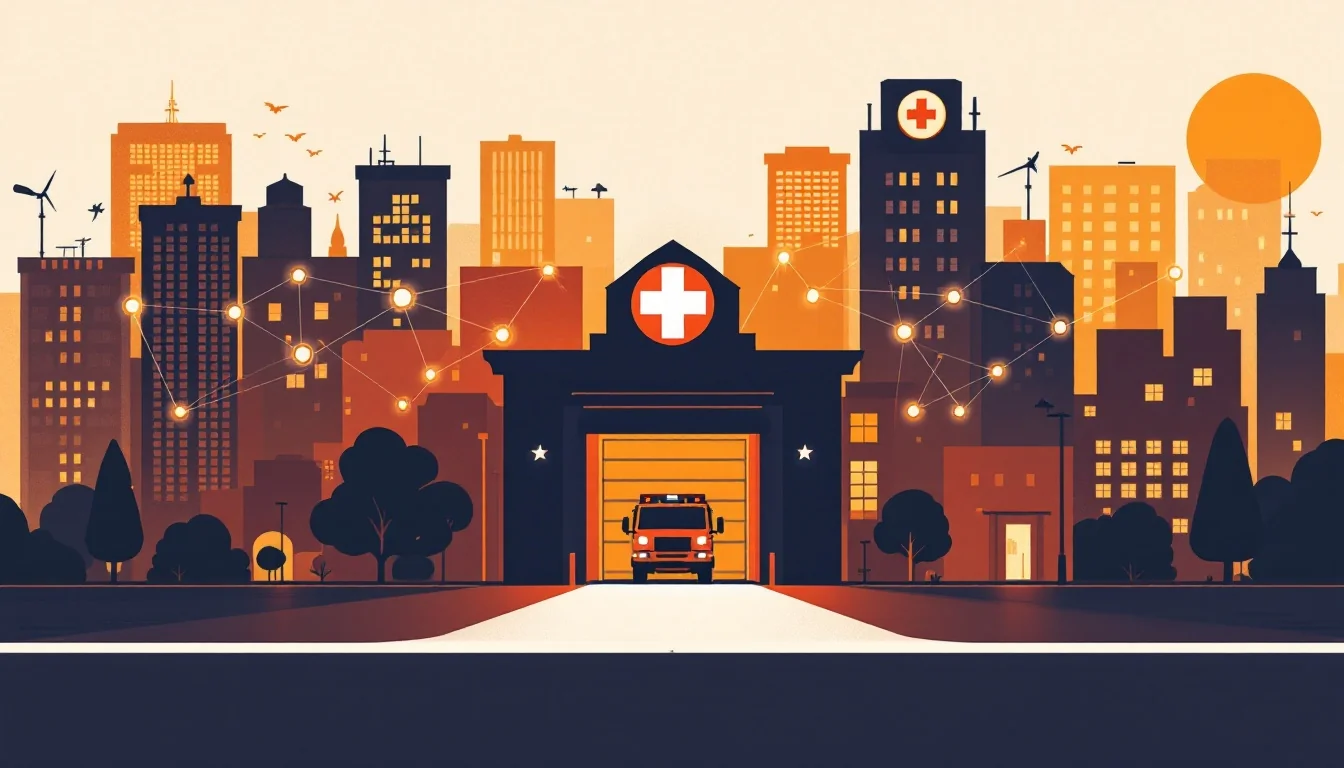
SPRINGFIELD, Mo. — Every fire station in Springfield is now a place to get free naloxone, no questions asked. The Springfield Fire Department (SFD) announced August 4 that it is installing weather-resistant Naloxone Resource Distribution Boxes outside each of the city's 13 fire stations, giving residents free, 24-hour access to the medication that can rapidly reverse an opioid overdose.
Early demand suggests the need is real. The boxes at Fire Stations 3, 8 and 13 had to be restocked within the first few days of the rollout, according to the department's EMS & Special Operations Battalion Chief Christopher Roush.
"Fire stations have always been trusted community resources," Roush said. "Making naloxone available at every fire station removes barriers to access and extends our ability to serve the community beyond emergency response. This resource provides Springfield residents with the tools to intervene during critical moments — empowering community members to save the lives of their family, friends and neighbors. Every additional opportunity for someone to access this medication is another opportunity to save a life."
Why Fire Stations
The logic behind the program is simple: most overdoses unfold in minutes, and many happen before emergency responders can arrive. Putting naloxone in publicly accessible boxes — outside buildings that are open, staffed, and located in every part of the city — means family members, friends, coworkers, and bystanders can get the reversal medication before an emergency happens, not during one.
The initiative is part of SFD's Community Risk Reduction strategy, which focuses on reducing preventable deaths by improving access to lifesaving resources before they are needed. It builds on the department's existing Leave-Behind Program, through which firefighters provide naloxone kits and education directly to individuals and families following overdose-related emergency responses.
"Community Risk Reduction means identifying preventable risks and taking action before they become tragedies," said Fire Chief David Pennington. "Expanding access to naloxone removes barriers to a proven lifesaving intervention and builds on our Leave-Behind Program to create another opportunity for someone to survive an overdose before firefighters arrive. This initiative reflects our commitment to partnering with public health agencies to reduce risk, improve outcomes, and strengthen the resilience of our community."
A Public Health Partnership
The project is a collaboration between the Springfield Fire Department, the Springfield-Greene County Health Department, and the Missouri Institute of Mental Health's Addiction Science Team at the University of Missouri-St. Louis (UMSL-MIMH), which provided the distribution boxes and naloxone supplies.
With the fire station rollout, more than 25 naloxone distribution boxes are now operating across Springfield, creating what officials describe as a growing network of low-barrier access points. The boxes are installed outside each station and are available around the clock — removing two of the most common obstacles to naloxone access: pharmacy hours and the hesitation many people feel about asking for the medication face to face.
The Broader Context
Springfield's expansion comes as communities nationwide look for ways to sustain recent progress against the overdose crisis. Provisional federal data have shown overdose deaths declining from their peak, but fentanyl and other synthetic opioids continue to drive the majority of fatalities, and public health officials caution that the crisis is far from over — particularly in Midwestern communities where treatment and harm reduction resources can be spread thin.
Naloxone has been available over the counter at pharmacies nationwide since 2023, but cost, stigma, and limited pharmacy hours still put the medication out of reach for many households. Distribution box networks like Springfield's — along with leave-behind programs run by fire and EMS agencies — have emerged as one of the fastest-growing models for closing that gap, placing free naloxone in trusted public locations where no purchase, prescription, or personal information is required.
For families, the practical takeaway is straightforward: naloxone is safe to use even if you are not sure an opioid is involved, it has no effect on someone who has not taken opioids, and giving it quickly — along with calling 911 — is the single most important step a bystander can take during a suspected overdose. Missouri's Good Samaritan law provides legal protections for people who seek emergency help during an overdose.
What Comes Next
SFD says it will monitor usage across the 13 stations and restock boxes as needed through the partnership with UMSL-MIMH and the Springfield-Greene County Health Department. The early restocking at three stations suggests distribution volume will be an ongoing measure of the program's reach.
Residents can pick up naloxone free of charge from the distribution box outside any Springfield Fire Department station at any hour. People seeking treatment for opioid use disorder — for themselves or a loved one — can reach the SAMHSA National Helpline at 1-800-662-4357 for free, confidential referrals 24 hours a day, or contact the Springfield-Greene County Health Department for local resources.
Surviving an overdose is often the first step toward recovery. Medications for opioid use disorder such as buprenorphine and methadone remain the most effective treatments available, and naloxone access ensures more people live long enough to benefit from them.
Sources
You might also read