Cherokee Nation Builds Culture-Centered Treatment Center with Opioid Settlement Funds
Cherokee Nation opens Oklahoma's first tribal-operated residential addiction treatment facility, integrating centuries-old traditions like stickball and traditional gardening into evidence-based recovery programs.

Cherokee Nation Builds Culture-Centered Treatment Center with Opioid Settlement Funds
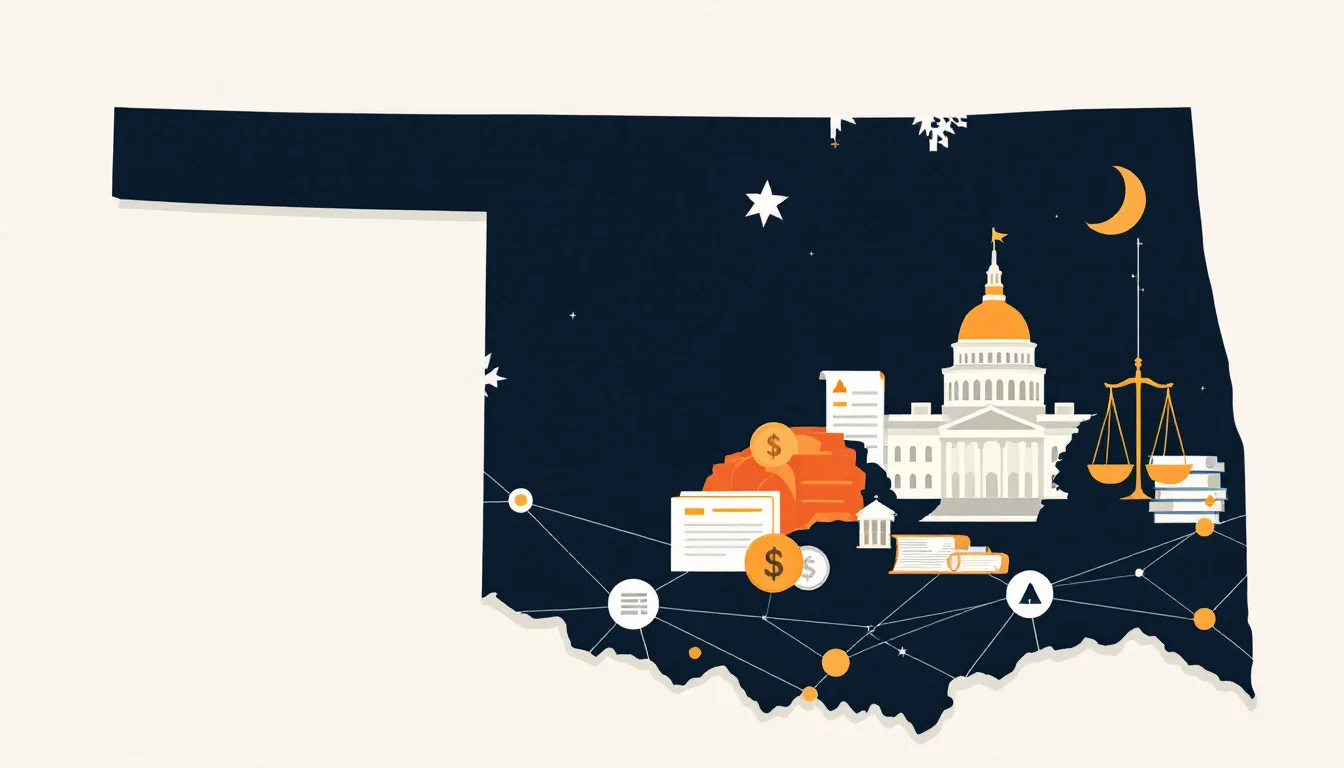
TAHLEQUAH, Oklahoma — The Cherokee Nation is transforming how addiction treatment reaches tribal communities, opening a first-of-its-kind residential facility that weaves centuries-old cultural traditions into every aspect of recovery. The 45,000-square-foot treatment center, funded through the tribe's $150 million in opioid settlement awards, represents a groundbreaking approach to addressing substance use disorders in Native American populations.
A New Model for Culturally Grounded Recovery
When the facility opens next year in Tahlequah, Oklahoma — the Cherokee Nation's capital — it will become the tribe's first wholly owned and operated addiction treatment center. Unlike existing arrangements that refer citizens to contracted facilities, this campus will offer both residential and intensive outpatient services designed specifically around Cherokee values and traditions.
"Culture is such a protective factor," said Juli Skinner, senior director of the Cherokee Nation's behavioral health center and a citizen of the Ponca Tribe of Oklahoma. "Historical trauma has hit a lot of people — Native Americans, tribes — hard. Lost language, lost traditional ways, and we'll never get all of that back."
The center's design emerged from extensive community listening sessions with tribal members and elders. Large windows frame views of rolling hills and grazing cattle. The building faces east to greet the rising sun. A traditional sweat lodge sits nearby. Patients will have access to a stickball court — an ancient Cherokee game with deep spiritual significance — along with garden space for growing selu (corn) and other traditional foods.
The Scope of the Crisis in Cherokee Territory
The investment comes as opioid-related deaths have disproportionately impacted Native American communities. In the 14 counties comprising Cherokee Nation territory, more than 1,000 people died from opioid-related causes between 2020 and 2024. Principal Chief Chuck Hoskin Jr. noted that many of these deaths occurred in rural areas where Cherokee language and culture remain strongest.
"In many ways, our success here is part of an existential effort," Hoskin said. "Whether what it means to be Cherokee is going to continue on; that's only true if we have people that continue our lifeways and continue to speak our language and pass that down."
The Cherokee Nation was the first of 575 federally recognized tribes to sue opioid manufacturers, filing its lawsuit in 2017. The tribe has more than 450,000 citizens, many of whom live in Oklahoma following the forced removals of the 19th century that brought Cherokee people to what is now the state.
Settlement Funds at Work
Nationwide, opioid litigation has generated nearly $58 billion in settlements, with approximately $1.3 billion allocated to tribes and Alaska Native corporations. Most of these funds must be directed toward addiction treatment, prevention, and recovery services.
The Cherokee Nation's new facility will feature 100 inpatient beds alongside an outpatient hub offering continuing care. For tribal citizens, treatment will come at no cost — removing a significant barrier that often prevents people from seeking help.
Currently, 50 to 70 Cherokee Nation citizens each month need residential treatment connections, according to Skinner. The new center will be one of three locations on the reservation offering intensive outpatient care, creating what the tribe describes as a full continuum of services.
Why Cultural Integration Matters
Research consistently shows that culturally competent care improves treatment outcomes for Indigenous populations. When patients see their traditions, values, and languages reflected in their care, engagement and retention rates improve.
The Cherokee Nation's approach extends beyond decorative elements. Cherokee language experts are developing a culturally appropriate name for the center. Traditional foods grown on campus will reconnect patients with ancestral agricultural practices. Physical activities like stickball offer both exercise and cultural education.
"No matter where you're at in your journey to recovery, there's going to be a door, a pathway for you," Skinner said.
Broader Implications for Tribal Healthcare
The Cherokee Nation project may serve as a template for other tribes navigating opioid settlement funds. While some communities have struggled to identify appropriate uses for their awards, the Tahlequah facility demonstrates how settlement money can build permanent infrastructure that addresses both immediate treatment needs and long-term community healing.
For tribal citizens like Ashley Caudle, who regularly restocked free Narcan supplies outside her Stilwell business as overdose deaths mounted in her community, the new center represents tangible hope.
"I can hardly wait until we have our own," Skinner said, reflecting the sentiment of many tribal citizens who have watched the facility rise from the Oklahoma landscape.
What's Next
Construction continues on the Tahlequah campus, with completion expected next year. The Cherokee Nation plans to staff the facility with professionals trained in both evidence-based addiction treatment and culturally responsive care.
For tribal members seeking help now, the Cherokee Nation's behavioral health services continue to provide referrals to contracted facilities while the new center prepares to open its doors.
If you or someone you know is struggling with substance use, help is available. The SAMHSA National Helpline provides free, confidential treatment referral and information 24/7 at 1-800-662-HELP (4357).
Sources
You might also read