Nitazenes: Super-Potent Synthetic Opioids Spreading Across the United States
CDC data shows nitazene-related overdose deaths surged from 27 in 2020 to 409 in 2024. Learn what families need to know about these dangerous synthetic opioids.

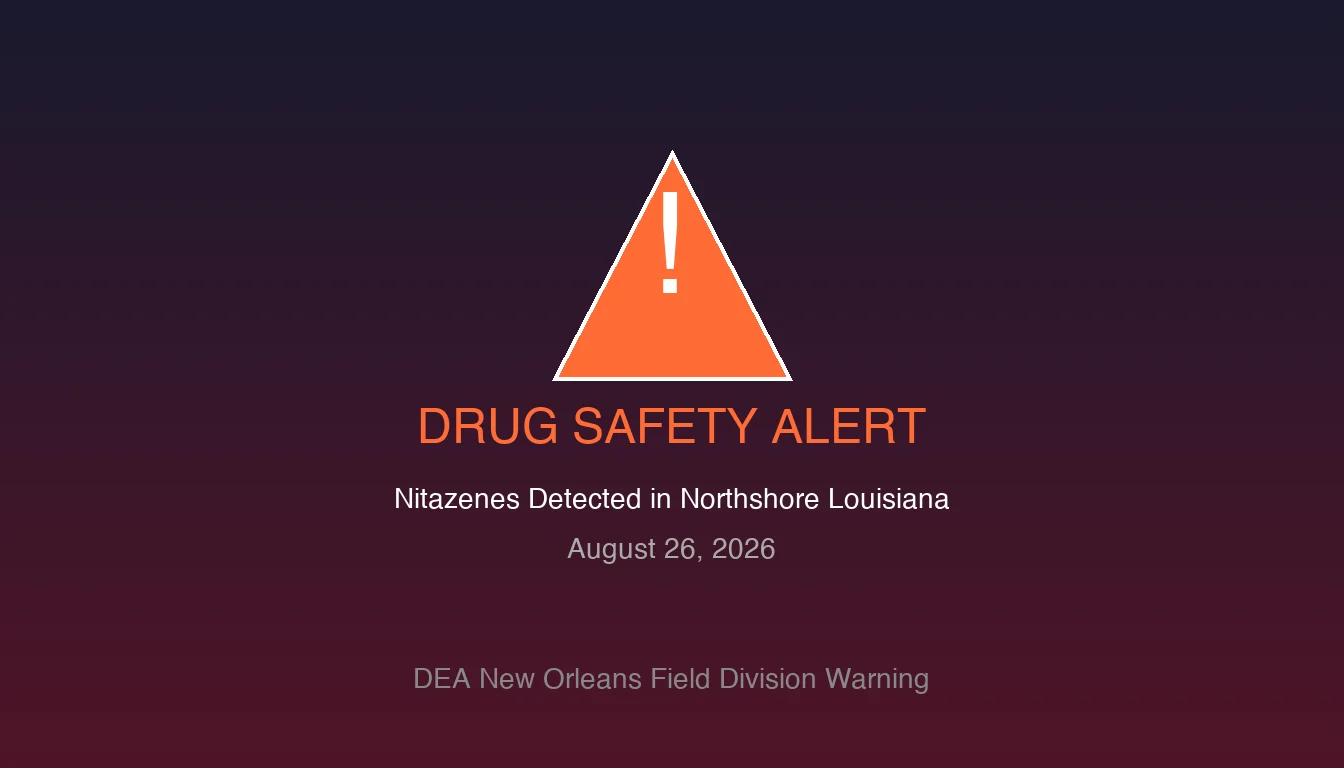
A new class of synthetic opioids is spreading across the United States, posing a significant threat to people who use drugs and their families. Nitazenes — a group of ultra-potent synthetic opioids developed in the 1950s but never approved for medical use — are increasingly appearing in the illegal drug supply, often mixed with or sold as fentanyl.
According to data from the Centers for Disease Control and Prevention (CDC), overdose deaths involving nitazenes have risen sharply: from just 27 deaths in 2020 to 409 deaths in 2024 — a fifteen-fold increase in just four years. Public health officials are warning that many users may be unaware they're consuming these substances, significantly increasing the risk of fatal overdose.
What Are Nitazenes?
Nitazenes are a class of synthetic opioids that were originally developed by pharmaceutical researchers in the 1950s as potential pain medications. However, they were never brought to market because early testing revealed they were too potent and dangerous for safe medical use.
These substances have remained largely dormant for decades until recently, when they began appearing in the illegal drug supply. Common nitazenes now being detected include:
- Protonitazene
- Metonitazene
- Etonitazene
- Isotonitazene
Nitazenes are often found in combination with fentanyl or other substances, making the drug supply increasingly unpredictable and dangerous.
Where Are Nitazenes Being Found?
While nitazenes have been detected in multiple states, Ohio has recorded the highest number of nitazene-related overdose deaths in the United States since 2021, according to CDC data. Other states reporting significant numbers of cases include Tennessee, Kentucky, and Illinois.
The drugs are typically found in:
- Powder sold as heroin or fentanyl
- Counterfeit prescription pills made to look like oxycodone or other opioids
- Cocaine and methamphetamine supplies (as adulterants)
This means that people who don't typically use opioids — including those who use stimulants like cocaine — may be unknowingly exposed to these ultra-potent substances.
Why Are Nitazenes Particularly Dangerous?
Nitazenes present several unique risks that make them especially concerning for public health officials:
Extreme Potency
Nitazenes can be significantly more potent than fentanyl, which is already 50-100 times more potent than morphine. Even tiny amounts can cause fatal respiratory depression.
Delayed and Prolonged Effects
Unlike fentanyl, nitazenes may have slower onset and longer duration of action. This means:
- A person may not feel the effects immediately and take more, increasing overdose risk
- Overdose symptoms may last longer and require extended medical monitoring
- Multiple doses of naloxone may be needed to reverse an overdose
Unpredictable Supply
Because nitazenes are manufactured illegally and mixed with other substances, users have no way of knowing what they're consuming or in what concentration.
What Families Need to Know
If you have a loved one who uses drugs — or if you live in a community affected by the opioid crisis — understanding the risks of nitazenes is critical.
Recognizing an Overdose
Signs of a nitazene overdose are similar to other opioid overdoses:
- Slow or stopped breathing
- Blue or gray lips and fingernails
- Unresponsiveness or inability to wake
- Pinpoint pupils
- Gurgling or choking sounds
However, because nitazenes may last longer than fentanyl, the person may remain at risk even after initial revival.
The Critical Role of Naloxone
Naloxone (Narcan) can reverse nitazene overdoses, but multiple doses may be required due to the potency and duration of these substances. Families should:
- Always carry naloxone if you have a loved one who uses drugs
- Administer multiple doses if the person doesn't respond to the first dose
- Call 911 immediately — even if naloxone appears to work, medical monitoring is essential
- Stay with the person until emergency responders arrive
Most states now allow naloxone to be obtained without a prescription at pharmacies, and many community organizations provide it for free.
Good Samaritan Laws
Remember: Good Samaritan laws in all 50 states protect people who call 911 during an overdose from prosecution for minor drug-related offenses. Don't hesitate to call for help — it could save a life.
What to Do If You Suspect Exposure
If you believe someone has been exposed to nitazenes:
- Call 911 immediately — do not wait to see if symptoms improve
- Administer naloxone if available — use multiple doses if needed
- Place the person in the recovery position (on their side) to prevent choking
- Stay with them until help arrives
- Tell emergency responders what substances you suspect were involved
Getting Help for Substance Use
If you or a loved one is struggling with substance use, help is available:
- SAMHSA National Helpline: 1-800-662-HELP (4357) — free, confidential, 24/7 treatment referral
- Crisis Text Line: Text HOME to 741741
- FindTreatment.gov: Search for evidence-based treatment providers in your area
Treatment works. Medication-assisted treatment (MAT) with buprenorphine or methadone, combined with counseling and support services, is the gold standard for opioid use disorder and significantly reduces the risk of overdose.
The Bottom Line
The emergence of nitazenes in the U.S. drug supply represents a concerning evolution in the ongoing overdose crisis. These ultra-potent synthetic opioids are contributing to preventable deaths across the country, particularly in the Midwest and Appalachia.
For families, the key takeaways are:
- Carry naloxone and know how to use it
- Don't use alone — have someone nearby who can call for help
- Call 911 immediately in any suspected overdose
- Seek treatment — recovery is possible with the right support
The drug supply has never been more dangerous or unpredictable. Staying informed and prepared can save lives.
Dr. Rachel Bennett is a board-certified addiction medicine physician. This article was medically reviewed on June 19, 2026. If you have questions about substance use or treatment options, contact the SAMHSA National Helpline at 1-800-662-4357.
Sources
You might also read